There are two kinds of condos in Richmond: warrantable and non-warrantable. The difference is invisible from the front door. You can tour a unit, like the kitchen, run the numbers on the dues, calcula
There are two kinds of condos in Richmond: warrantable and non-warrantable. The difference is invisible from the front door. You can tour a unit, like the kitchen, run the numbers on the dues, calculate the commute, and decide it’s the right home — and then learn from your lender that the building has a financing problem that’s going to cost you a quarter point on your rate, fifteen percent more down, or the loan entirely.
I’ve watched this scenario play out at every major Richmond condo project at one point or another. Miller and Rhoads in 2009. Marshall Street Bakery in 2010. Nolde Bakery in 2012. The 212 through most of its early years. Some of those buildings worked their way back to warrantable. Some are still working on it. Most buyers had no idea any of this was happening until their loan was already in underwriting.
Here’s what warrantability actually means, the major reasons projects lose it, what it does to your borrowing power, and what’s changing in 2025–2026 that may finally start to ease some of these rules.
A “warrantable” condominium is one that meets Fannie Mae or Freddie Mac project-eligibility standards. If the project meets those standards, the loan on a unit inside it can be sold into the secondary mortgage market — which is what lets banks offer normal conventional financing at conventional rates, with conventional down payments. The federal government, through the GSEs, will stand behind the loan.
A “non-warrantable” condo is one that doesn’t meet those standards. The loan can’t be sold to Fannie or Freddie. The bank that originates it has to either keep the loan on its own balance sheet (portfolio lending) or shop it to a specialty investor who’ll take non-warrantable paper. Neither of those options is cheap, and most banks aren’t set up for it at all.
The same logic flows through FHA (HUD’s condo project approval list) and VA (VA’s separate approval process). A building can be Fannie-warrantable but not on the FHA-approved list, or vice versa. A building can be VA-approved and not Fannie-warrantable. The three approval systems aren’t synchronized and they aren’t reciprocal.
There’s no public-facing master list of “warrantable” buildings. The status is determined per loan, on the date of application, based on data the project’s management company (or the developer, in early-stage projects) provides to the lender on Fannie Mae’s Form 1076 — the Condominium Project Questionnaire. We’ll get to the form.
Two ways. Both significant.
1. It controls who can buy. A warrantable condo can be sold to any buyer with normal financing — 3 to 5 percent down conventional, 3.5 percent down FHA, 0 down VA. Your buyer pool is the entire universe of mortgage borrowers. A non-warrantable condo can only be sold to cash buyers, investors with portfolio access, or buyers willing to put 20 to 25 percent down at a rate 75 to 150 basis points above market. Your buyer pool shrinks by maybe 75 percent. Smaller pool means slower sale, more price negotiation, and lower clearing prices.
2. It controls the appraisal comp set. When an appraiser pulls comps on a non-warrantable condo, the only comps available are other non-warrantable sales — which already trade at a discount to warrantable equivalents. So the discount compounds. The appraised value of a unit in a non-warrantable building isn’t just lower than the same unit in a warrantable building; it’s lower by an amount that the appraiser anchors to other discounted comps, which were themselves anchored to still earlier discounted comps. Once a building goes non-warrantable, the price-per-square-foot in that building drifts downward across every closed sale, and it can take years to climb back.
I’ve watched Miller and Rhoads’ price-per-square-foot trade 20 to 30 percent below its warrantable peer set for stretches of time. The unit interiors were identical to comparable downtown Richmond condo product. The geometry was identical. The building maintenance was identical. The only variable was the financing status. That 20-to-30-percent gap is real, and it persists.
Six big ones. Most projects fail on one of these at some point. Some fail on two or three at once.
If more than 50 percent of units in a project are non-owner-occupied — meaning rented out by the owner, vacation homes, or held purely for investment — the project was generally non-warrantable (a cap retired for established projects in 2026) for conventional financing. (Fannie has eased this in specific scenarios as of 2024, more on that below.)
This is the single most common warrantability killer in Richmond. The market dynamic that causes it: a building is delivered new, the developer sells most of the units to live-in buyers, and over the years a portion of those owners convert their units to rentals when life circumstances change. The rental percentage drifts upward, year by year, until it crosses 50 percent and the building flips non-warrantable for new buyer financing.
The 2-over-2 stacked-townhome inventory at the lower price points (Rocketts Landing’s smaller series, Coalfield Station entry units, Saunders Station condo phase) is especially exposed to this dynamic because the rental yield on those units pencils well at the prevailing rental rates.
Fannie Mae requires a condo project to budget at least 10 percent of its annual operating revenue into reserves for capital expenditures (roof, HVAC, elevators, parking decks, exterior envelope). If the HOA isn’t reserving that much — or worse, isn’t reserving at all and is operating purely paycheck-to-paycheck on monthly dues — the project flunks the reserves test on Form 1076.
This is rarer than investor concentration but more damaging when it surfaces, because it usually means the HOA has been under-budgeting for years. Once the lender sees inadequate reserves on the questionnaire, they’re going to want a reserve study and a capital plan. The project’s path back to warrantable usually requires a special assessment or a dues increase, neither of which is popular at HOA election time.
If a single entity — one person, one LLC, the developer, an investor group — owns more than 10 percent of the units in a project, the building flunks Fannie’s single-entity concentration test. The 10 percent rule is strict; the moment that entity buys the 11th unit out of 100, the building tips non-warrantable.
This shows up at two stages: in early developer-controlled buildings before the developer has sold down their inventory (Cary Mews and Marshall Street Bakery both had developer-concentration issues during their initial sell-down windows), and in projects where a single investor accumulates units through foreclosure or distressed sales (this is what put Miller and Rhoads non-warrantable in 2009–2010 when the original lender ended up with a substantial percentage of the building post-default).
If more than 35 percent of the gross floor area of the project is non-residential commercial space, the project is non-warrantable. (Fannie raised the limit from 25 percent to 35 percent in 2019 — small but meaningful loosening.) This catches mixed-use buildings where the ground-floor retail or office occupies a meaningful fraction of the total building.
Marshall Street Bakery has run into this. The original conversion delivered 23 residential units plus roughly 3,500 square feet of commercial — a thin commercial line that’s been right at the edge of the 25-percent rule and clearly below the 35-percent rule. When the rule was 25 percent, the project had moments of non-warrantability over commercial mix. Under the current 35-percent rule it’s comfortable.
If the HOA or the developer is named as a defendant in any lawsuit involving the project — particularly construction defect, structural integrity, or insurance claim litigation — the project goes non-warrantable for the duration of the litigation, full stop.
This rule sounds reasonable in the abstract and is brutal in practice. A frivolous lawsuit filed by a single disgruntled owner can knock a 200-unit building out of warrantability for two years. Fannie has been promising clarification on the “litigation pending” rule for ten years and the clarification hasn’t materially shipped. The lender’s standing question on every new Richmond condo loan is “any pending litigation?” and the project manager’s standing answer often involves a careful disclosure.
If more than 15 percent of the units in a project are 60 days or more past due on their HOA dues, the project flunks the delinquency test. This is most often the back-end of an investor-concentration problem (rental owners who default on dues during tenant turnover or vacancy stretches), but it can also happen in older buildings where retired owners on fixed incomes fall behind during periods of stress.
Most Richmond condo regimes manage their delinquency well — the HOAs have learned to pursue liens aggressively. But the rule is in there and Form 1076 asks for the number directly.
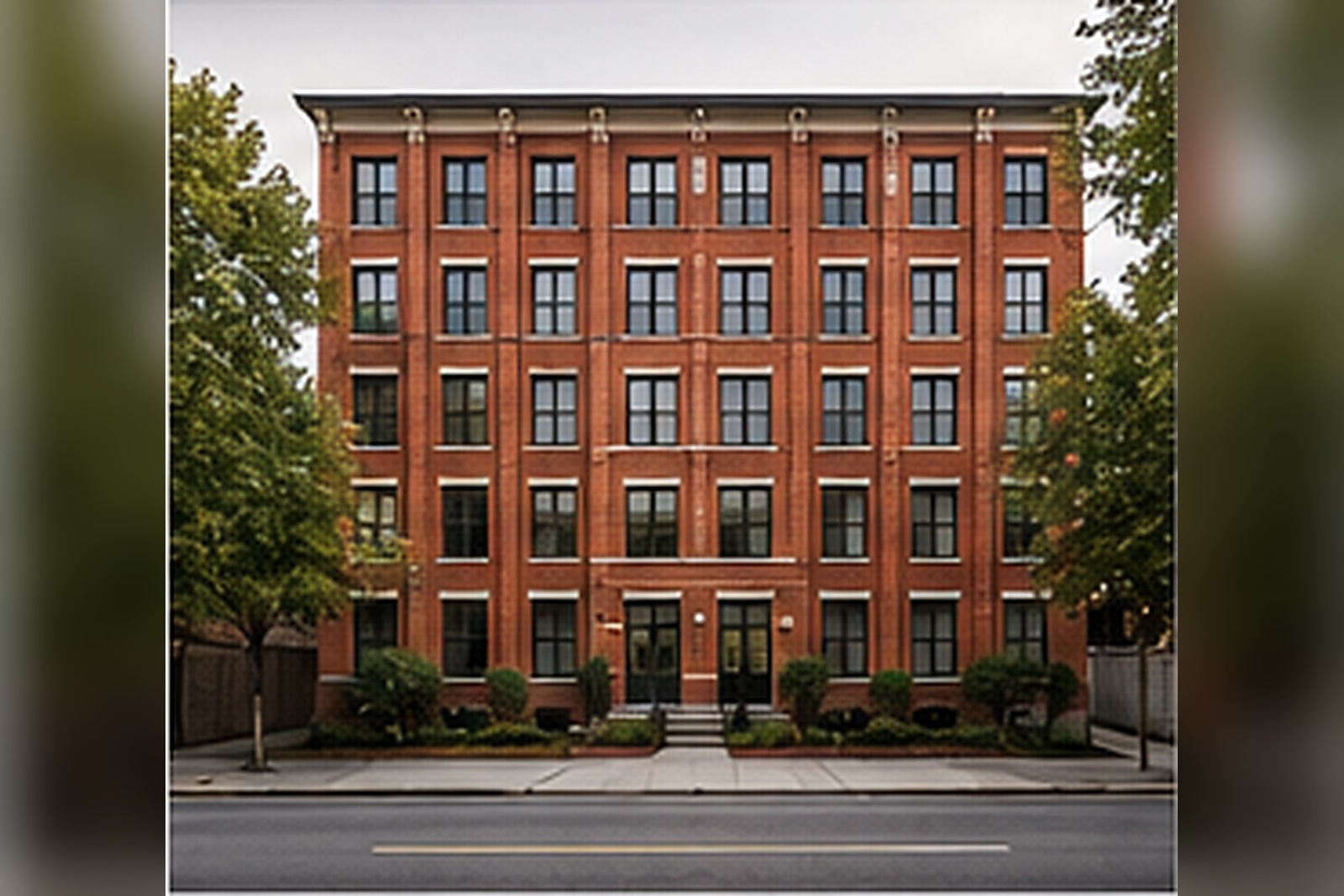
If you’re buying a unit in a non-warrantable building, your loan options narrow severely. Here’s the realistic picture as of 2025–2026:
Portfolio lenders — Lawson State Bank, First Bank, Pinnacle Bank, sometimes a credit union — will originate a loan against a non-warrantable condo and hold it on their own books. The rate is typically 50 to 150 basis points above prevailing conventional, the down payment requirement is usually 20 to 25 percent, and underwriting is stricter on debt-to-income ratios. A few of these lenders cap the loan amount lower than conventional too — making the affordable-end of the non-warrantable inventory effectively unfinanceable.
Non-QM (non-qualified mortgage) lenders — these specialty shops will lend on almost any condo but at a meaningful rate premium, often 200 basis points above conventional, with 25 to 30 percent down required and a higher closing-cost load. The market for these has grown since 2022.
Cash — about 35 to 45 percent of non-warrantable condo sales in Richmond clear cash, based on my deal flow over the last decade. The seller has to be prepared for that buyer profile and price accordingly.
FHA and VA paths are usually closed when the building is Fannie-non-warrantable, because FHA and VA have their own (often stricter) approval requirements. There are narrow exceptions — single-unit-approval (SUA) options that let FHA approve an individual unit in an otherwise non-approved building — but they’re rarely worth the closing-cycle pain.
The practical impact: a $400,000 unit in a non-warrantable building costs the buyer (conservatively) an extra $400 to $500 per month over a conventional loan. Over a 10-year hold, that’s $50,000 to $60,000 in additional interest. The seller, in turn, eats that on the back end through a lower clearing price, because the buyer pool is calibrated to that monthly carrying cost.
This is the single most important distinction buyers and sellers need to get right, and it’s the one almost nobody asks about.
Some condo projects are non-warrantable today but on a path to warrantable. Others are non-warrantable today and will be non-warrantable forever. The price discount and the financing options look identical in the moment, but the long-run trajectory of the building’s value is completely different. If you understand which category a building is in before you transact, you’re operating on a different level of information than 90 percent of buyers in the Richmond market.
These are conditions a building can move OUT of with time, paperwork, or a budget decision by the HOA. Every one of these has a clear path back to warrantable:
Developer-control era. A brand-new project where the developer still owns a significant percentage of units automatically flunks the 10-percent single-entity test. This is normal during sell-down. Once the developer sells through the inventory, the test passes and the building becomes warrantable. Marshall Street Bakery, Emrick Flats, Cary Mews, TriBeCa Brownstones, The Reserve, and every other new-construction condo in Richmond has been through this phase. The window typically lasts 18 to 36 months.
Investor concentration drift. A building that’s at 52 percent investor-owned can drop to 49 percent if two units come back to owner-occupants in the next year. The HOA can also adopt rental caps in the bylaws that bring the percentage down over time as rental units turn over to owner-occupants. Recoverable.
HOA dues delinquency spike. A bad year — recession, mass tenant turnover, the building’s biggest landlord losing access to a credit line — can push the delinquency rate over 15 percent for a quarter or two. The HOA pursues liens, the rate comes back down. Recoverable.
Reserves underfunded. The HOA was running on a thin reserve and Form 1076 flunks the 10-percent reserve test. The HOA raises dues or imposes a one-time assessment, builds the reserve back, gets a current reserve study done. Two-year fix, sometimes faster. Recoverable.
Pending litigation that will resolve. A construction-defect lawsuit, a contract dispute with a vendor, an insurance claim under appeal. Once the litigation is settled or dismissed, the warrantability flag clears. The fix horizon is whatever the litigation calendar says — six months to three years typically.
FHA/VA recertification lapse. FHA-approved condo lists require recertification every three years. A building that lets recertification lapse can re-apply and get back on the list. Pure paperwork problem.
Inadequate operating history post-developer-turnover. Fannie wants to see at least 12 months of HOA-controlled operating budget before approving a project on its own merit. A building that recently transferred control from developer to HOA is in a 12-month waiting period. Recoverable by the clock.
The Richmond projects that fit this category right now: anything in the first three years of sell-down (most recently Outpost at Brewers Row, Mason Yards, and the newer Manchester deliveries), and a handful of Fan-area buildings that drifted past 50 percent rentals during the 2018-2022 rental boom and are slowly working their way back.
These are conditions baked into the project’s design, ownership structure, or intended use. There’s no path out without a complete restructuring of the building, which essentially never happens once a project is built:
Project size below the minimum. Fannie generally won’t review a project with fewer than 4 total units. Tiny conversions — a duplex turned into two condos, a triplex turned into three, a brownstone broken into four with one of them the developer’s owner-occupied unit — fall under the minimum and can’t be approved. The size is permanent; you can’t add units to make it work. Several small Fan-district and Church Hill conversions are stuck in this bucket forever.
Commercial component baked above 35 percent. A mixed-use building that was designed and built with 40 percent or more of its gross floor area as commercial — typically because the ground floor is a major retail anchor, restaurant, or office space the developer needed to make the project pencil — is structurally non-warrantable. You can’t reduce the commercial footprint without demolishing and rebuilding. Miller and Rhoads brushed up against this for years because of the retail and office mix in the building. Several Manchester mixed-use conversions are structurally over the line.
Hotel-condo / fractional ownership / timeshare structures. Any project where the units are operated as part of a hotel program, where ownership is fractional (multiple owners of a single unit), or where the building is structured as a timeshare can never be warrantable for Fannie/Freddie. The structure of the ownership is incompatible with the underlying mortgage product. Richmond doesn’t have many of these — there are a handful of hotel-condo arrangements in the upmarket new construction — but where they exist, they will not change.
Single-purpose buildings where the commercial use is the building’s identity. Think of a converted historic schoolhouse where the auditorium is a community theater, or a converted bank where the lobby is a restaurant. The non-residential use is so embedded in the building’s purpose that the commercial percentage can’t be reduced without losing the architectural intent. The structural-purpose problem makes warrantability essentially impossible.
Live-work or co-housing structures with non-standard ownership. A handful of urban projects have ownership documents that grant unit owners interests in shared workshop, studio, or production spaces that fall outside the residential-condo legal definition. The ownership documents themselves disqualify the building. The only fix is to rewrite the master deed and re-record, which has happened maybe twice in the history of American condominium law.
Manufactured-home / mobile-home park condo conversions. Some land-leased manufactured-home arrangements are structured as condominiums to allow individual ownership of the dwelling separately from the land. Fannie’s project standards exclude these explicitly. Richmond doesn’t have any to my knowledge, but they exist regionally.
Buildings where the developer or sponsor retains permanent contractual rights that exceed the 10-percent single-entity threshold. Some projects have master leases, perpetual amenity rights, or developer-retained commercial parcels that effectively keep a single entity above the 10-percent line in perpetuity. The structure is contractual and survives the original developer’s exit. Rare in Richmond but possible.
If a building is “not warrantable yet” and you understand the timeline back to warrantable, you can underwrite the deal on the trajectory. Buy a non-warrantable unit during the developer-controlled sell-down phase for, say, a 5-percent discount, hold through the warrantability transition, and the building’s per-square-foot pricing rises with the financing transition. That’s an accretive trade. Some of the best Richmond condo buys of the last fifteen years happened in exactly this window — buyers who understood that Cary Mews, Marshall Street Bakery, and The Reserve were transitional and not structural.
If a building is “will never be warrantable” and you don’t know it, you’re paying a discounted price that will stay discounted forever — and when you go to sell, your buyer pool is permanently restricted to cash and portfolio buyers. There’s no future trajectory. The building is what it is. The discount you bought into is the discount you sell out of.
The Form 1076 doesn’t ask which category a building is in. The lender doesn’t usually volunteer the analysis. You have to ask the question directly: “Is this building structurally non-warrantable or transitionally non-warrantable, and if transitional, what’s the path back?” If your agent can’t answer that question, you need a different agent, or you need to call the management company yourself, or you need a lender’s project reviewer to walk you through it. Don’t transact without the answer.
This is the form that determines warrantability for any loan against any condo nationally. Every conventional lender will request it from the HOA management company before closing.
What’s on it (current 2024 version, in plain English):
The form itself is 4 pages. The lender’s reviewer looks at 6 things on it: investor concentration, single-entity ownership, reserves percentage, litigation status, commercial percentage, and delinquency rate. If all 6 are inside the thresholds, the project is approved. If any one is outside, the lender’s options narrow to non-warrantable financing or a project waiver request.
A copy of the current Form 1076 is available directly from Fannie Mae’s project standards page: https://singlefamily.fanniemae.com/media/document/pdf/condominium-project-questionnaire-form-1076
Buyers should ask their lender for a copy of the completed form for the building they’re buying into BEFORE going under contract. Most buyers learn what’s on it only after they’re in escrow and the loan is in underwriting. By then it’s too late to negotiate.
The single biggest pending change in condo project standards is around the 50-percent investor-concentration rule.
In late 2024 and through 2025, Fannie Mae has been incrementally easing the investor concentration test for “established” projects (defined as fully built out, with the HOA in stable financial condition, no pending litigation, adequate reserves). For these established projects, Fannie now considers concentrations above 50 percent on a case-by-case basis, particularly when the project has a stable operating history of 10+ years and the rentals are predominantly individual long-term leases rather than short-term or vacation rentals.
In practical terms: a 20-year-old condo building in Richmond’s Fan district where 55 percent of the units are rented to long-term tenants might now be approvable for conventional financing on a unit-by-unit basis, where five years ago it would have been flatly non-warrantable. The rule isn’t blanket — the lender’s underwriter still has to run the project through Fannie’s review, and there’s no guaranteed approval — but the door is open.
This is the change that matters most for Richmond’s older Fan and Museum District condo inventory, which has structurally higher rental concentrations than the newer suburban product, and which has been frustratingly hard to finance since 2012.
Beyond rental concentration, there’s a slower-moving conversation about the litigation rule and about whether construction-defect lawsuits that have been settled or are clearly frivolous should automatically disqualify a project. Fannie has been promising a refresh on this front for years and hasn’t shipped. If and when they do, it will be the most consequential rule change in condo project standards in 20 years.
Freddie Mac has historically tracked Fannie’s standards with a lag of 6 to 18 months. Expect Freddie to absorb the rental-concentration easing in 2026, possibly with stricter conditions than Fannie’s version.
FHA’s condo project approval list operates on a separate track and hasn’t shown signs of easing in step with Fannie. If you’re buying in a building that’s FHA-approved today, treat that approval as conservative and watch the renewal cycle.
VA has been the steadiest of the three programs. Their condo approval process is unit-specific in many cases, and VA borrowers with their VA Certificate of Eligibility have arguably the cleanest path through any condo financing today.
Warrantability isn’t an architectural feature of a condo. It’s a financial-eligibility status that can change year to year, depending on who owns the units, how the HOA is run, and what Fannie Mae’s policy team is doing that quarter. A great building can be non-warrantable. A mediocre building can be warrantable. The distinction is invisible at the front door and decisive at the closing table.
Every condo buyer in Richmond should know what the term means and how to check it. Every condo seller in Richmond should know the warrantability status of their building before they sign the listing agreement. Every Richmond agent who represents condo buyers or sellers should be running the 6-question check on Form 1076 as a default step in due diligence — not waiting for the lender to surface it three days before closing.
The next post in this series digs into the 2-over-2 design format, which is closely related — most of the 2-over-2 inventory in Richmond is at price points where rental concentration drifts upward easily, which means warrantability is something 2-over-2 buyers in particular need to understand cold.
Rick Jarvis is the founder of One South Realty Group. He has represented buyers and sellers at Marshall Street Bakery (warrantability work during the 2009 cycle), Emrick Flats (FHA project approval coordination), Miller and Rhoads (the non-warrantable post-default era), Nolde Bakery (developer-concentration moments), and most other Richmond condo projects mentioned in this post. If you have a specific warrantability question on a building you’re considering, the fastest path to an answer is a direct call or email. For more on the 2-over-2 design that intersects with these warrantability questions, see The 2-over-2: Richmond’s Quiet Affordable-Housing Engine.
Update — August 2026: Fannie Mae’s Lender Letter LL-2026-03 changed several of the rules described above — most notably retiring the “more than 50% investor-owned” cap for established projects and raising the reserve floor from 10% to 15%. For the full breakdown of what helps Richmond condos and what hurts, see Fannie Mae just rewrote the condo rulebook.